
Technology
Beyond the Farm Gate: How Robotics and Automation Are Reshaping Nigeria's Agricultural Workforce
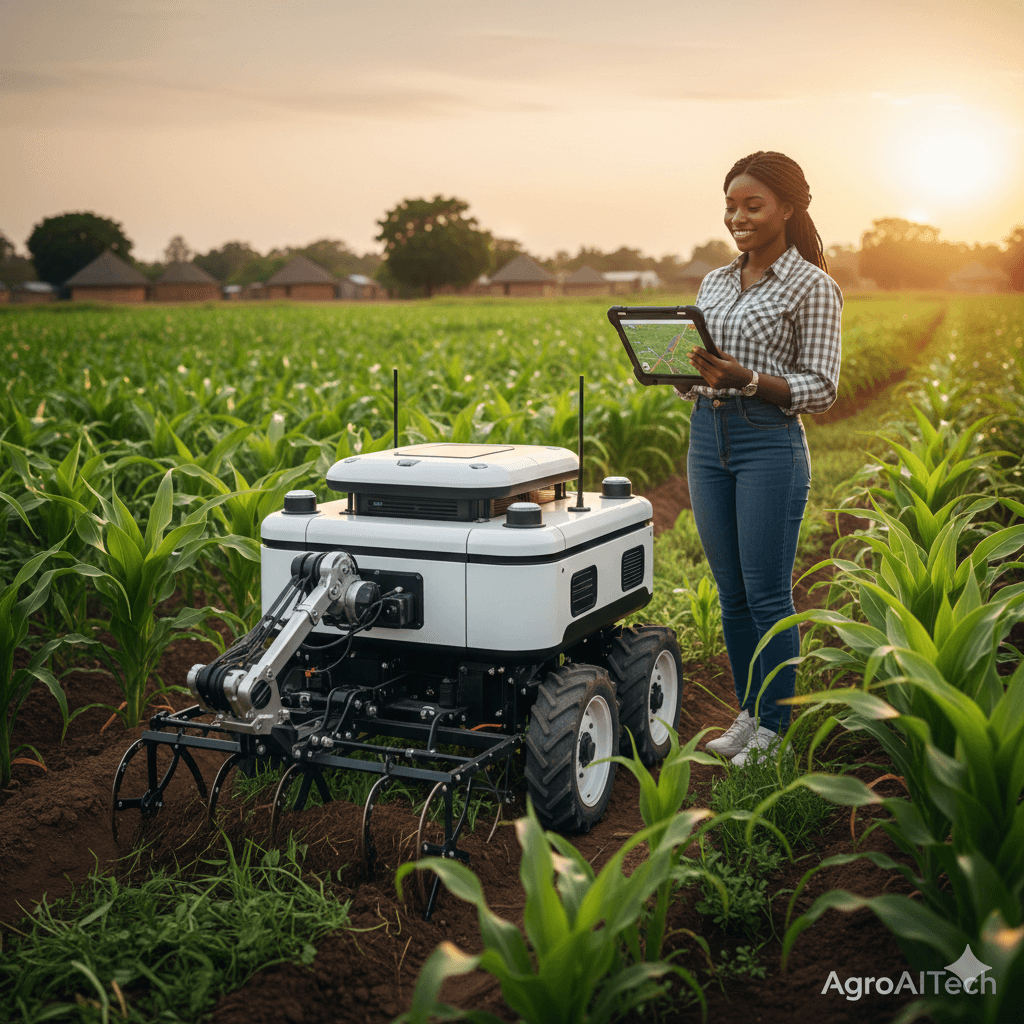
The backbone of Nigerian agriculture has always been its diligent workforce. However, a silent but significant challenge is emerging across the nation: a growing agricultural labor shortage. As youth migrate to urban centers in search of opportunities and an aging farming population continues its work, the availability of hands to perform essential, often laborious, farm tasks is dwindling. This shortage threatens food security and limits agricultural expansion.
But what if technology could step in to fill these gaps, not by replacing people entirely, but by empowering them and enhancing productivity? At AgroAITech Ltd, we believe that robotics and automation are not futuristic concepts, but vital solutions being deployed today to address Nigeria's agricultural labor challenges, making farming more efficient, attractive, and sustainable.
The Looming Challenge: A Shrinking Agricultural Workforce
The reasons for the labor shortage are multifaceted:
-Rural-Urban Migration: Young people often perceive farming as hard labor with low returns, preferring city life.
-Aging Farmer Population: Many experienced farmers are approaching retirement age, with fewer younger hands to take over.
-Physical Demands: Many farm tasks are physically demanding, seasonal, and often poorly compensated.
-Changing Aspirations: Modern youth are seeking technologically advanced and less physically strenuous employment.
This shortage can lead to delayed planting, inefficient harvesting, increased production costs, and ultimately, reduced food output.
The Robotic Revolution: Smart Solutions for Nigerian Farms
Robotics and automation are emerging as powerful allies, tackling specific labor-intensive tasks with precision and efficiency:
1. Autonomous Tractors & Field Robots:
-Role: These machines can perform tasks like planting, weeding, fertilizing, and even harvesting with minimal human oversight. They follow pre-programmed routes using GPS, working around the clock.
-Nigerian Impact: Reduces the need for manual labor in field preparation and basic cultivation, allowing existing workers to focus on more skilled tasks or cover larger areas.
2. Drone Sprayers & Monitors:
-Role: Drones equipped with cameras can monitor crop health, detect pests, and identify areas needing attention. Specialized spraying drones can apply pesticides or fertilizers precisely where needed.
-Nigerian Impact: Drastically reduces the labor involved in manual scouting and spraying, increases precision (reducing chemical waste), and covers large areas quickly and efficiently. This can be particularly beneficial for tricky terrains or large plantations.
3. Robotic Harvesters:
-Role: For delicate crops like fruits and vegetables, robots are being developed to identify ripe produce and gently harvest it, reducing damage and human effort.
-Nigerian Impact: Addresses the intensive labor required for harvest, especially for perishable crops, ensuring timely collection and reducing post-harvest losses. While still developing for some crops, this area holds immense promise.
4. Automated Irrigation Systems:
-Role: As discussed previously, these systems use sensors and controllers to deliver water precisely, significantly reducing the labor needed for manual watering.
-Nigerian Impact: Frees up farmhands from constant water management, allowing them to focus on other critical tasks.
5. Automated Sorting & Packaging:
-Role: Post-harvest, robots can sort, grade, and package produce faster and more consistently than humans, reducing spoilage and preparing goods for market.
-Nigerian Impact: Improves market readiness and quality control, reducing post-harvest losses which are a major challenge in Nigeria.
Beyond Filling Gaps: Reshaping the Future of Work
It's crucial to understand that agricultural robotics isn't about entirely replacing human labor, but about:
-Enhancing Productivity: Allowing existing workers to manage more land or focus on higher-value tasks.
-Creating New Skills: Farmers and youth will be needed to operate, maintain, and program these technologies, opening up new, skilled jobs in agriculture.
-Making Farming Attractive: Introducing advanced technology can draw a younger, tech-savvy generation back to the agricultural sector.
-Increasing Food Security: By overcoming labor constraints, farms can expand operations and meet growing food demands.
AgroAITech Ltd: Leading Nigeria's Agri-Automation
At AgroAITech Ltd, we are at the forefront of bringing these transformative technologies to Nigerian agriculture. We offer:
-Accessible Automation Solutions: Implementing practical, scalable robotic and automated systems for various farm sizes and crops.
-Training & Capacity Building: Equipping farmers and farmhands with the skills to operate and maintain new technologies.
-Consultation & Integration: Helping farms identify where automation can most effectively fill labor gaps and boost efficiency.
The future of Nigerian agriculture is bright, powered by innovation. By embracing robotics and automation, we can overcome labor challenges, cultivate a more efficient and productive sector, and secure a prosperous food future for our nation.