
Agro AI Tech Blog
Stay informed with our latest articles on agricultural technology, sustainability, and market trends.
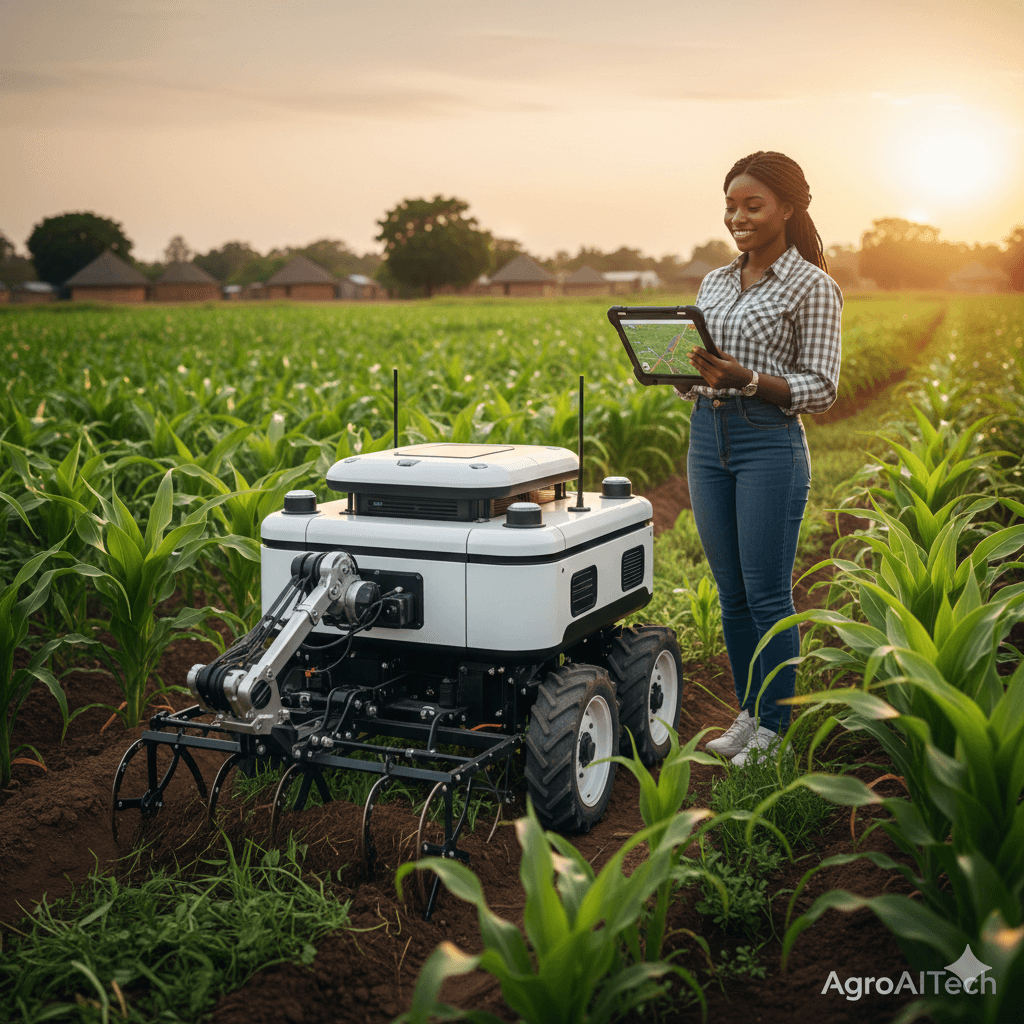
The backbone of Nigerian agriculture has always been its diligent workforce. However, a silent but significant challenge is emerging across the nation: a growing agricultural labor shortage. As youth migrate to urban centers in search of opportunities and an aging farming population continues its work, the availability of hands to perform essential, often laborious, farm tasks is dwindling. This shortage threatens food security and limits agricultural expansion.
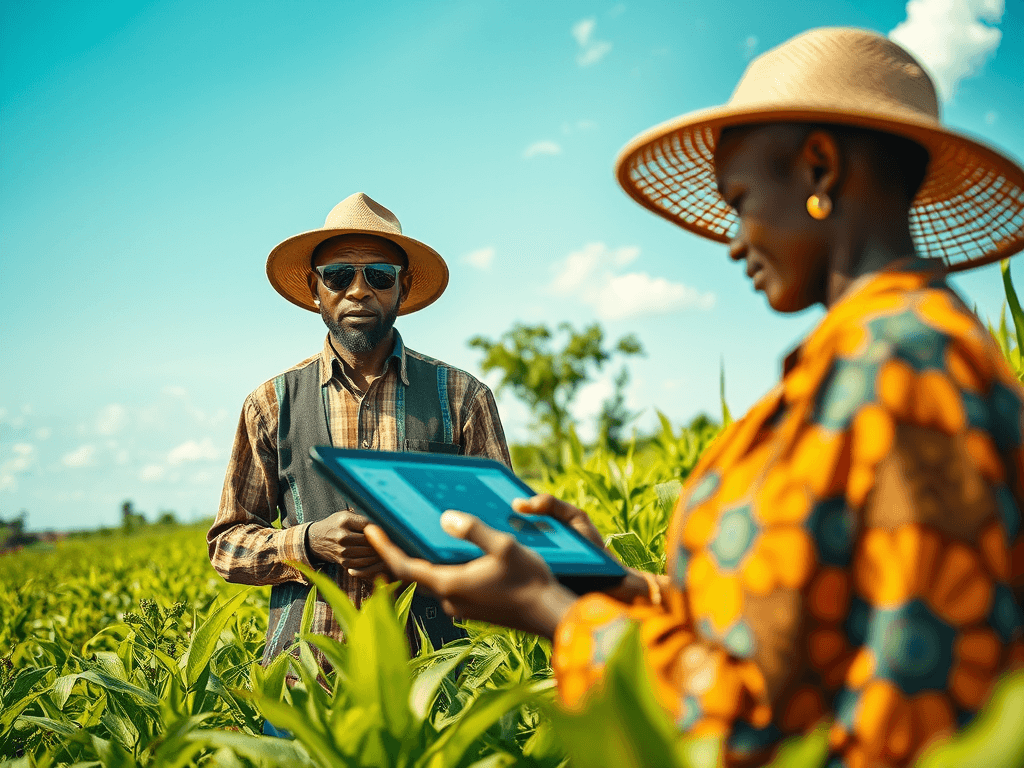
In the vibrant and essential world of agriculture, the blend of traditional practices with cutting-edge technology is no longer a futuristic concept—it’s a present necessity. At AgroAITech, we are at the forefront of this transformation, dedicated to bridging the gap between time-honored farming methods and the limitless possibilities that modern technology offers. Our vision is clear: to empower farmers, agribusinesses, agricultural professionals, and aspiring agri-business enthusiasts across Nigeria and beyond.
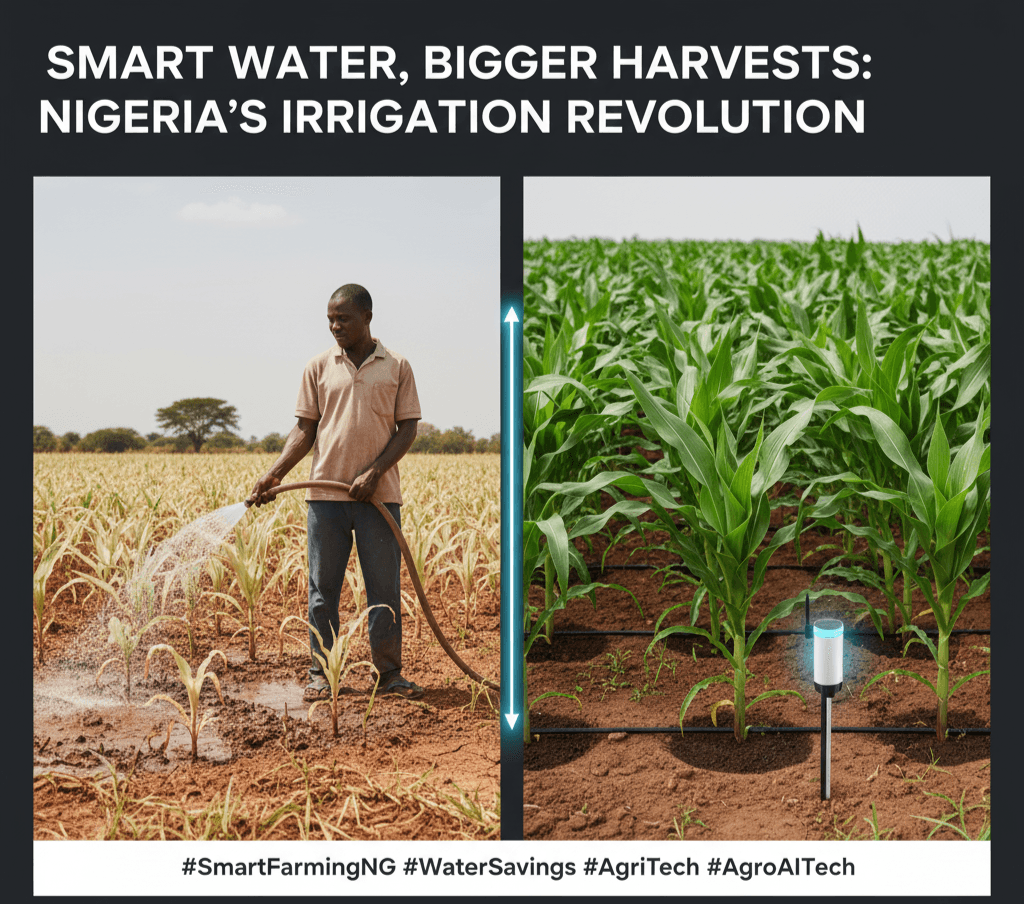
Water is arguably the most critical resource in agriculture. For Nigerian farmers, the challenge isn't just getting water to the crops, but managing it efficiently amidst unpredictable rainfall and rising operational costs.
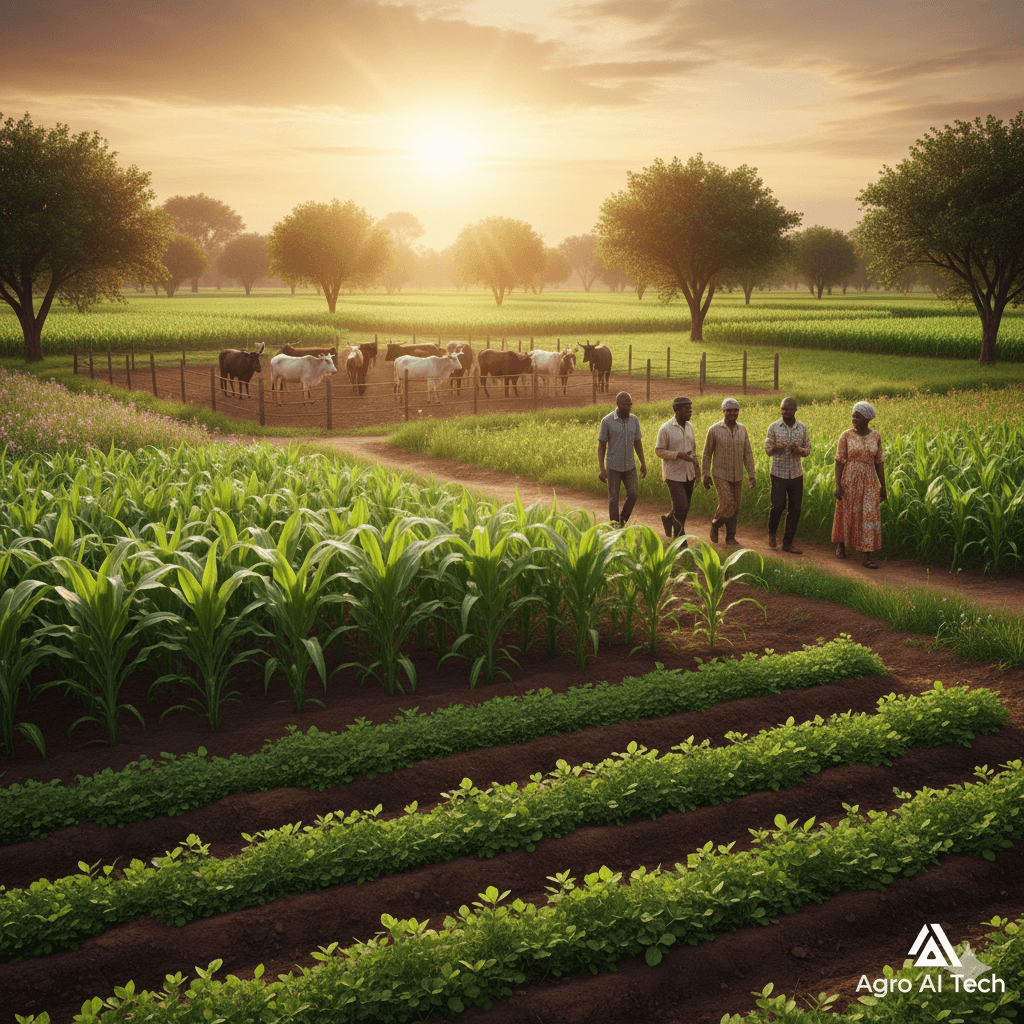
Regenerative agriculture is a system of farming principles and practices that aims to reverse climate change by rebuilding soil organic matter and restoring degraded soil biodiversity.

The Nigerian agricultural sector is a sleeping giant, and in 2026, it's wide awake and attracting unprecedented attention. With a population projected to hit over 400 million by 2050 and a strong government focus on food security and economic diversification, Agri-Tech (AgTech) is no longer just a niche interest—it's a high-growth investment frontier.
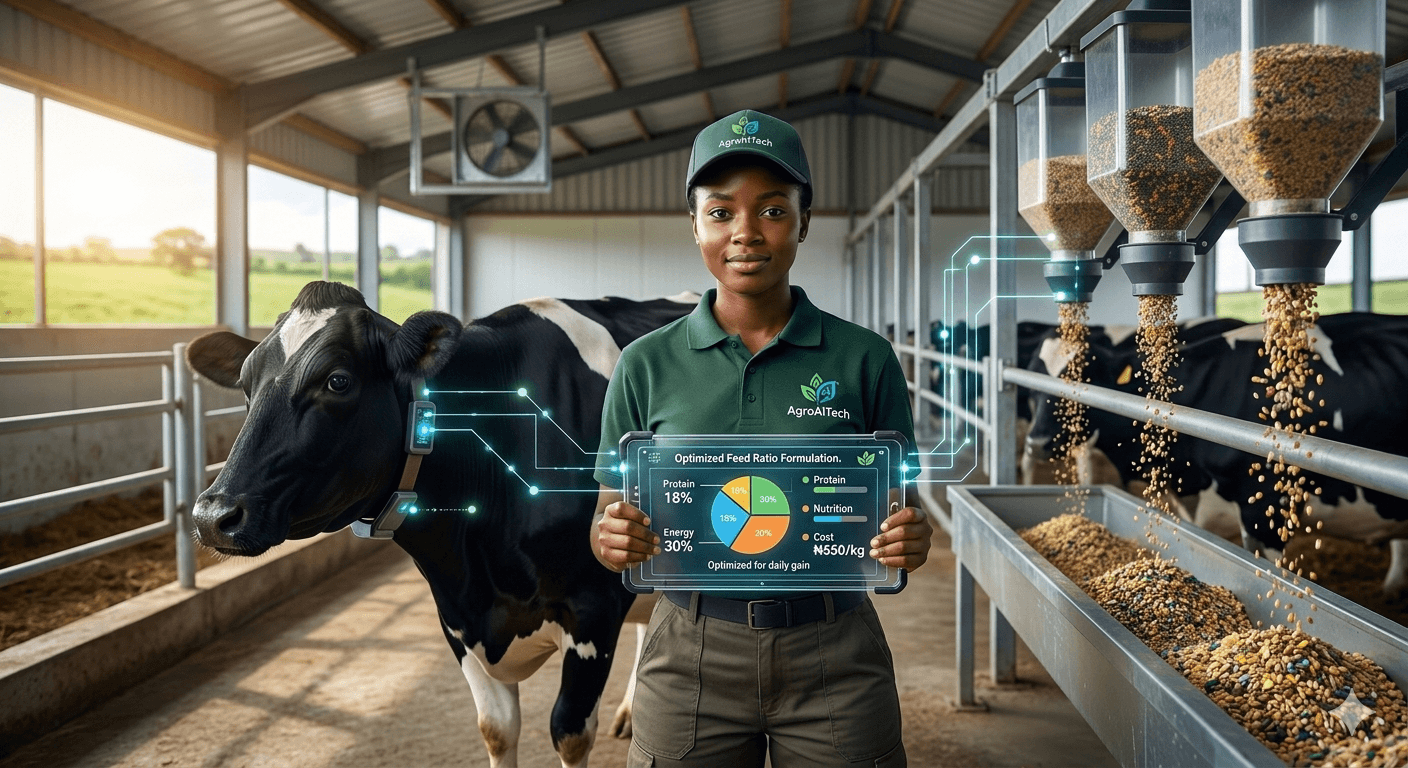
For any livestock farmer in Nigeria—whether you are raising broilers in Ogun or managing a dairy herd near Kaduna—one reality dominates the ledger: Feed is the single largest cost. It often accounts for 60-80% of total production expenses. In 2026, managing these costs manually using simple blending tables is no longer sustainable. Nutrient requirements vary wildly based on breed, age, and production goals. Meanwhile, the market price of maize, soybeans, and alternative ingredients fluctuates daily due to logistical challenges and FX rates.